What we print
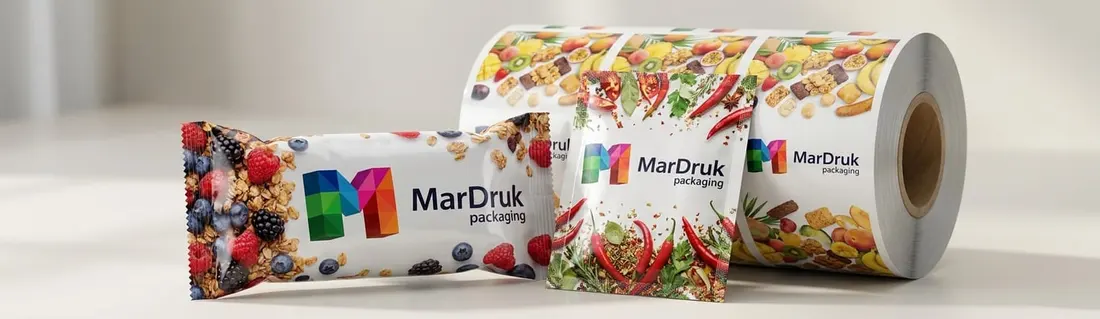
BOPP and OPP films, LDPE and HDPE, PET, PE and paper (surface print). We produce film in reels for packaging machines as well as finished bags — a complete service for the food and industrial sectors.
Why print quality sells
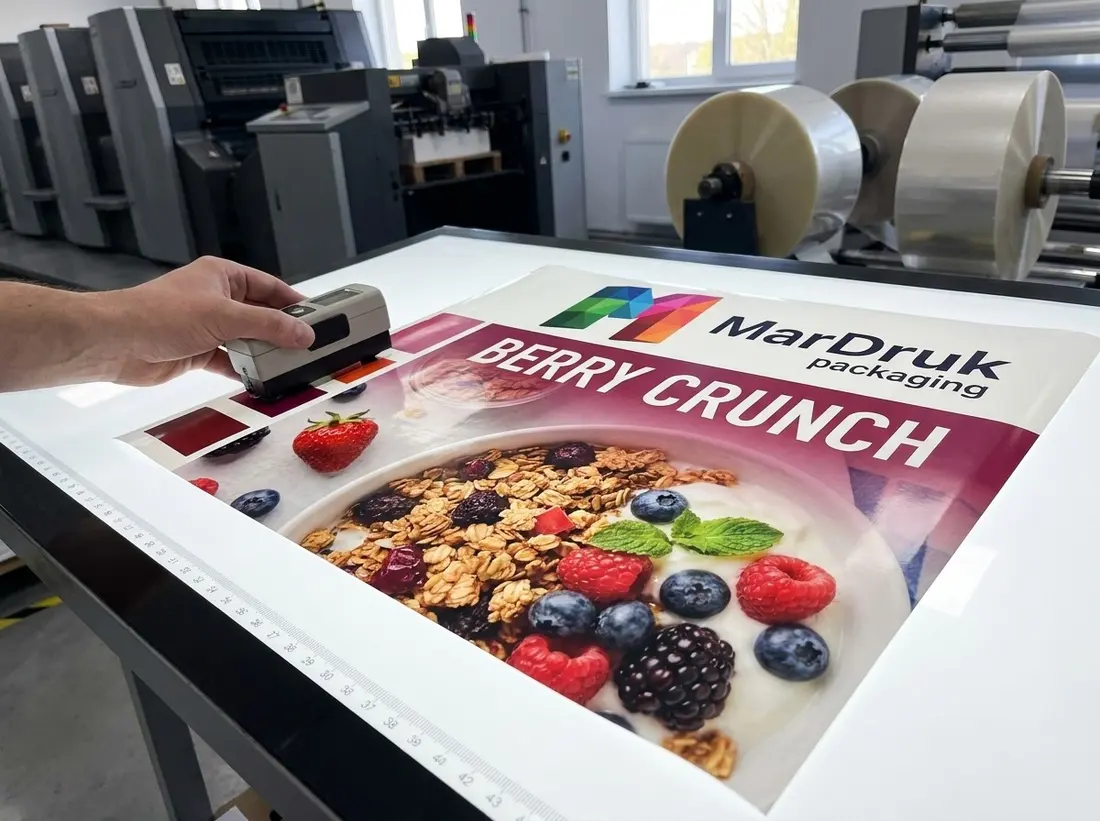
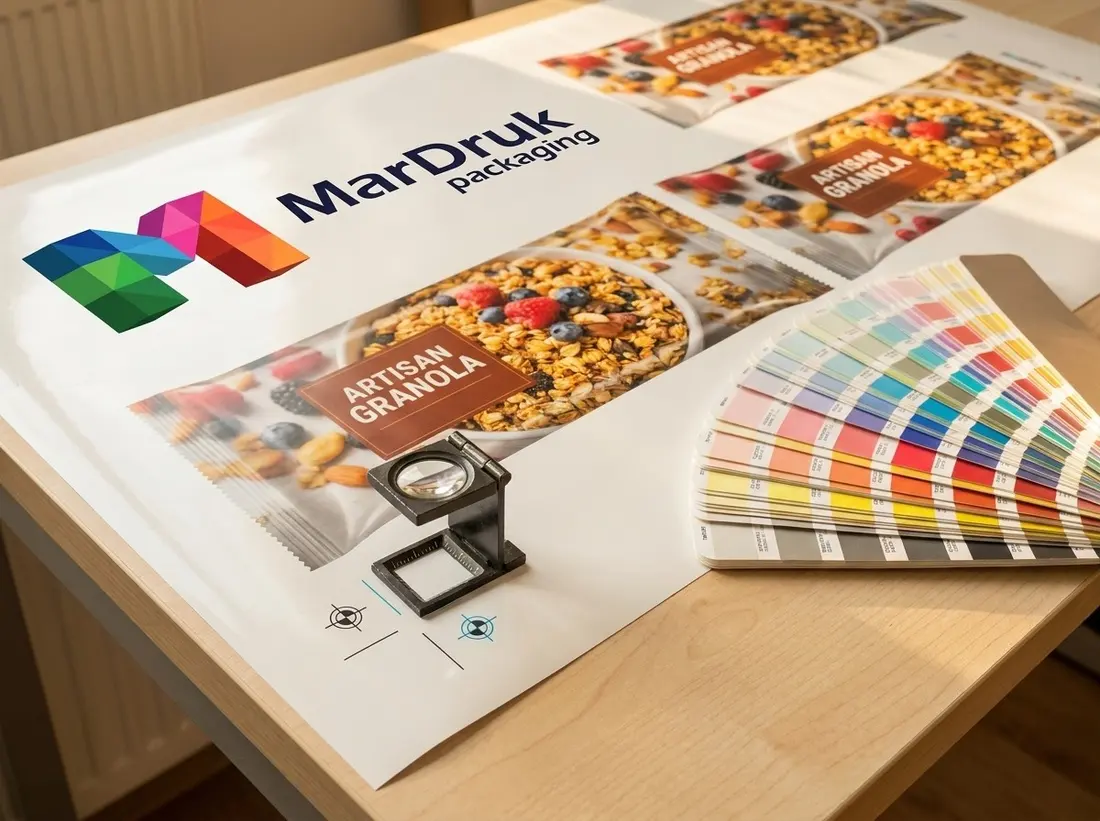
High-quality print is half the battle for a product on the shelf. Reverse printing seals the artwork between the layers of the laminate — the colours won't rub off in transit or on the retail shelf. Almost any pack can be printed from four base colours plus a white base, and for full brand-guideline compliance we add spot Pantone colours.
In-house plate-making and proofing
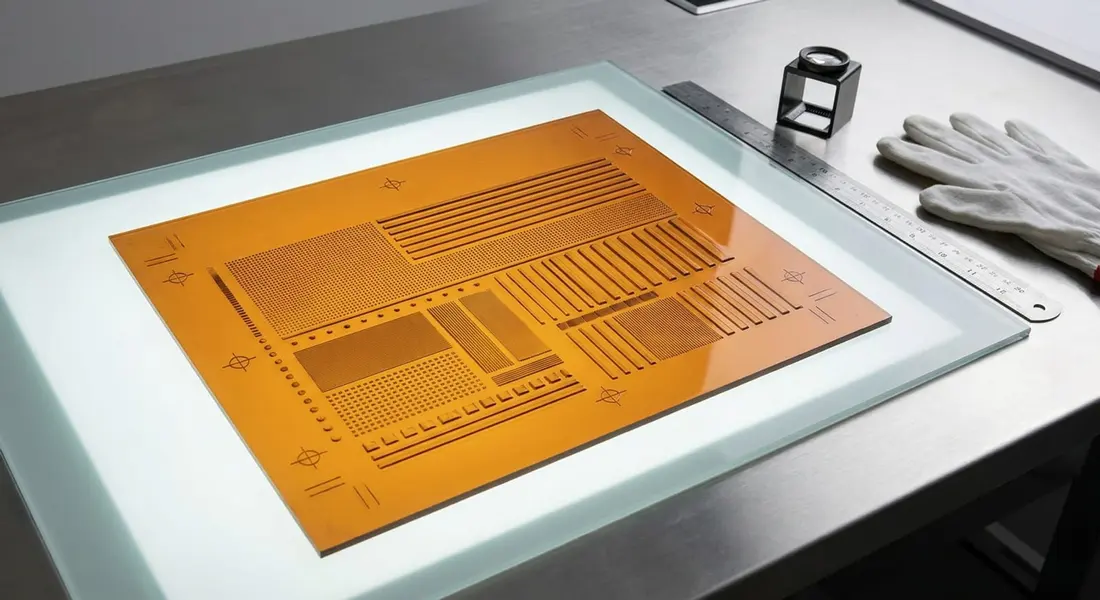
We image our photopolymer plates in our own prepress department — completely self-reliant: no waiting on outside suppliers, corrections on the spot. Before the run we produce a certified digital proof (Epson proof to ISO 12647-7, CMYK + Pantone, format up to 420 mm × 25 m) that simulates the final printed result.
Flexo versus gravure
Flexible printing plates mean lower origination costs than gravure — flexo pays off even on low and medium runs. LPI (lines per inch) determines the fineness of the screen: our screening of up to 150 LPI reproduces detail once reserved for more expensive techniques.
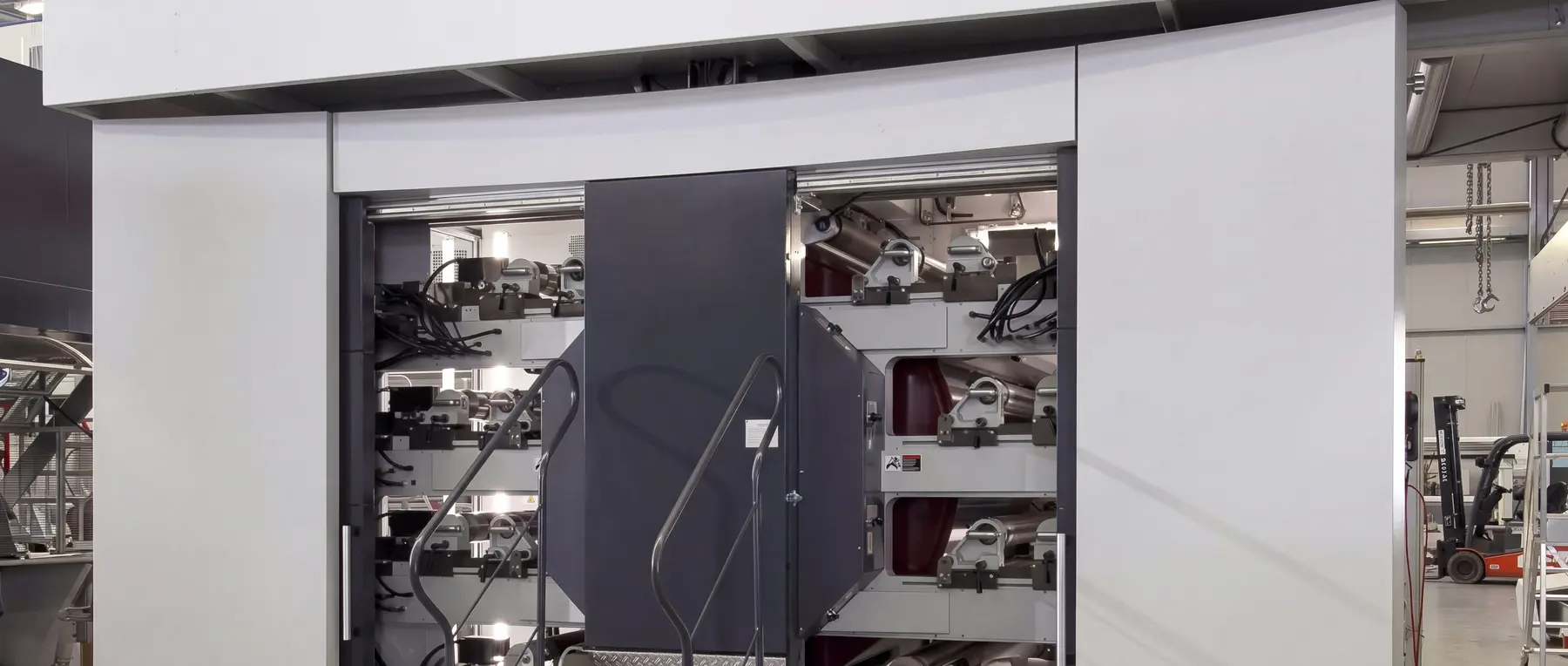
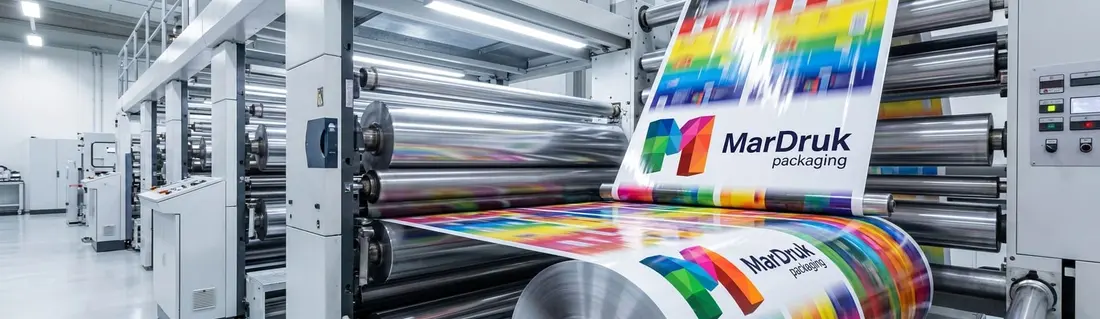
A fleet of five central-impression (CI) printing machines
We print on five modern central-impression (CI) flexo printing machines — and we keep the fleet young: this year we are replacing two of the older machines with new ones. The CI design holds colour registration steady even on thin, stretchy films — where in-line machines lose register. We lay down every colour in a single pass, with screening up to 150 LPI and HD screening: clean tonal transitions, fine detail and full coverage with no 'stepping'. Running an all-CI fleet is a deliberate choice — for the repeatability and quality that a B2B customer expects.
A short history of flexography
Flexography was born in the late 19th century (an 1890 patent for a printing machine with a flexible plate) as 'aniline printing' — a simple technique for stamping paper packaging. The breakthroughs were the anilox rollers that meter the ink, and in the 1970s the photopolymer printing plates that replaced rubber and lifted quality in a single leap. The next step was central-impression printing machines and HD screening — today flexo prints detail once reserved for gravure, at lower origination costs. That is why it became the dominant technology for flexible packaging printing worldwide — and our speciality.
We print for the biggest names
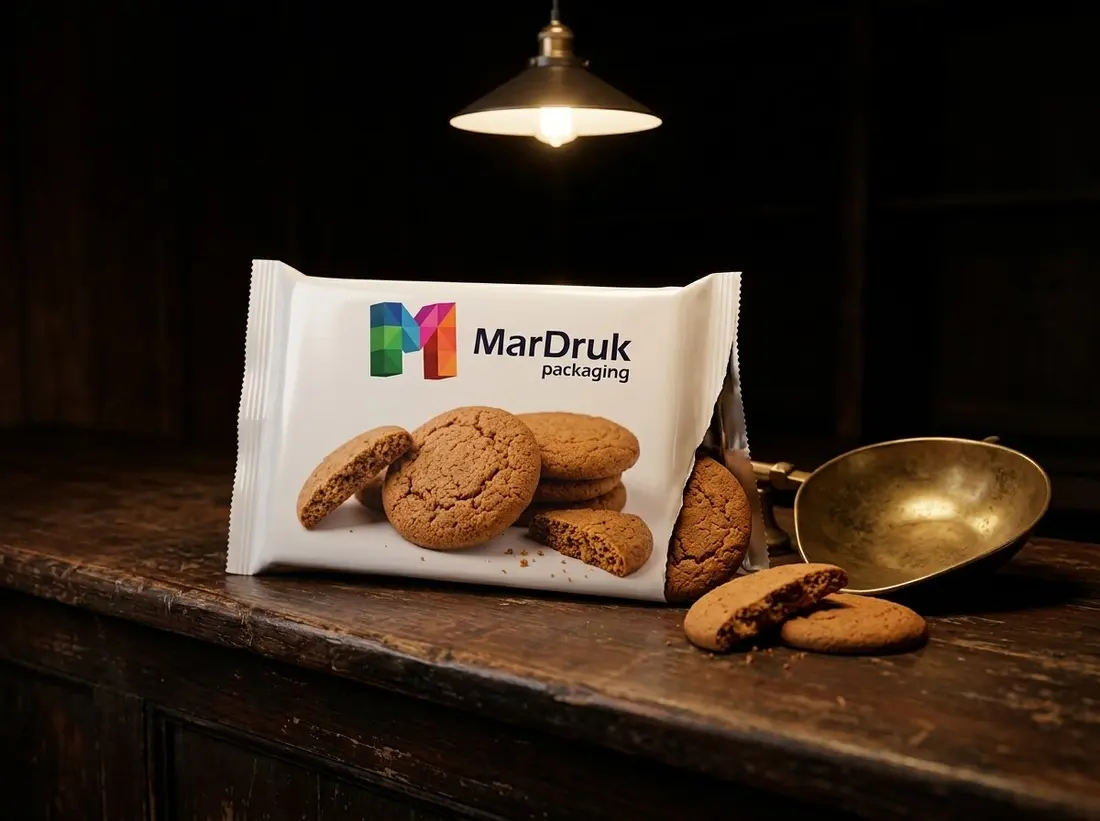
Our packaging works on the shelves of the largest retail chains in Poland and abroad — their suppliers stay with us because a BRC audit graded AA+ opens doors for them, and consistent print sells their product off the shelf. We feature in the Financial Times 1000 fastest-growing companies in Europe, and we back up quality with an ISO 12647-7 proof before every run and colour control (ΔE) throughout the run.
Where our print proves itself
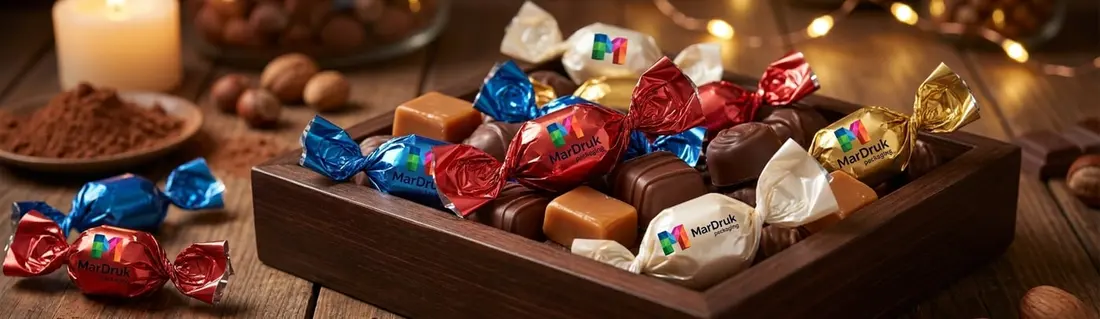
We print packaging for food, household chemicals, cosmetics, pet food and industrial products — from bags and doypacks to multi-layer laminates. We develop the print in step with the pack structure: brand colours, legible information and the seal zones all have to work on the finished product, not just on the proof. That way the pack protects its contents and sells them off the shelf at the same time.
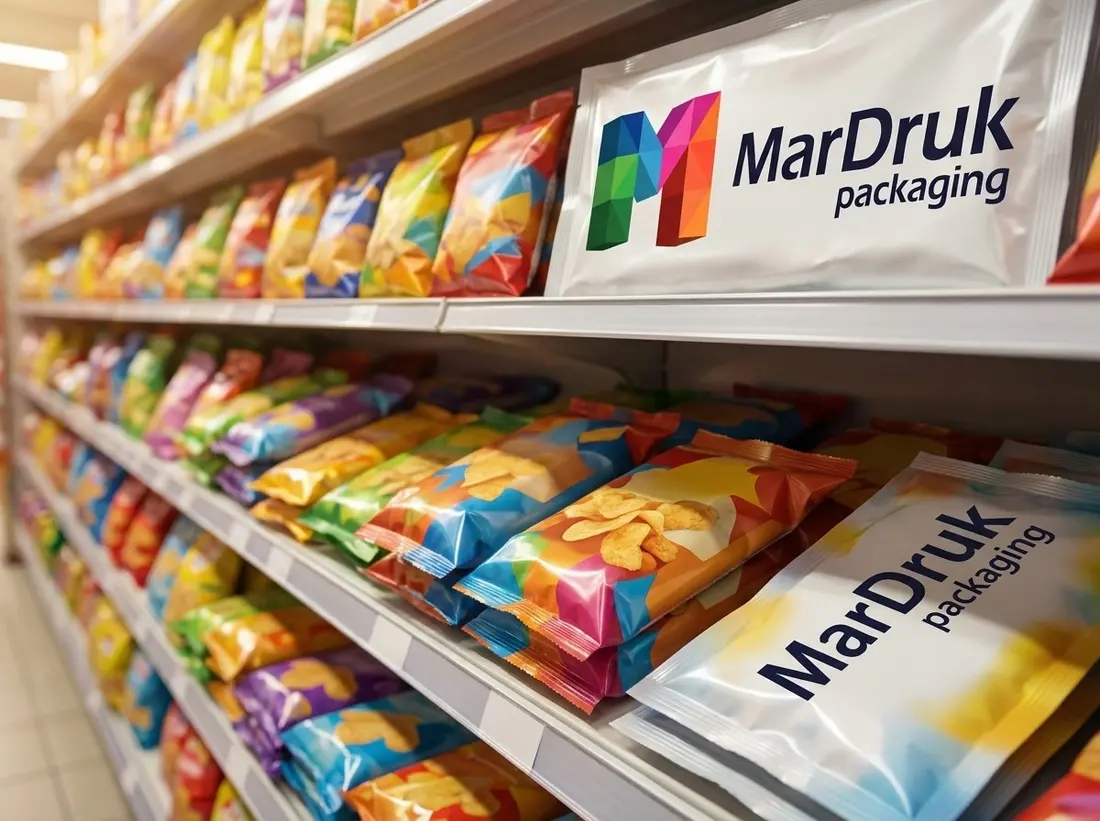
Worth reading
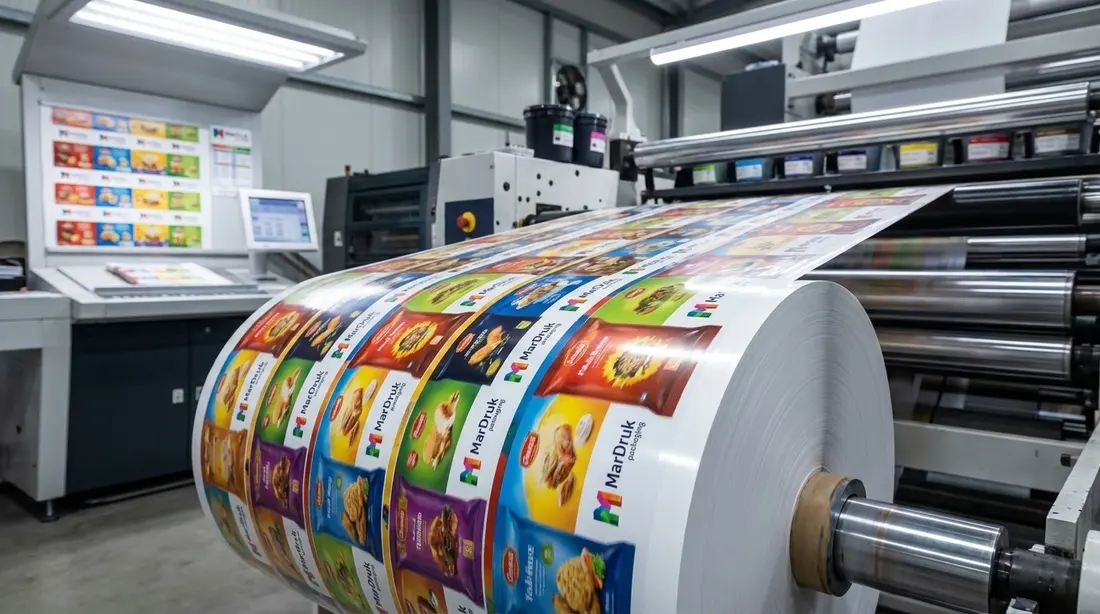 Flexographic printingFilm (polypropylene, polyethylene, polyester, oriented polypropylene) carries colours and detail beautifully, …Read →
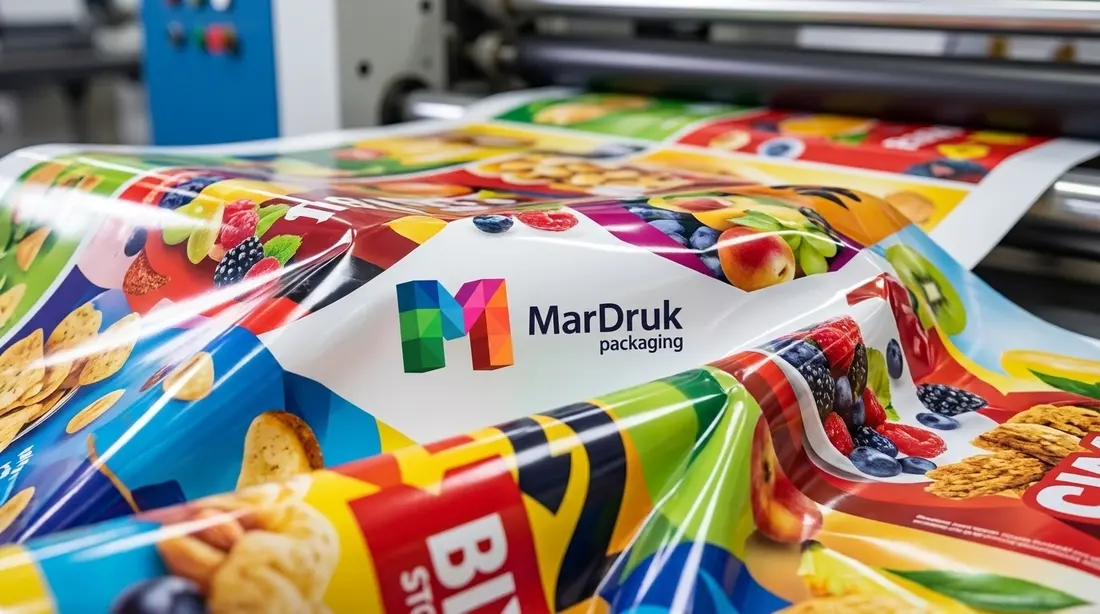 Printing on filmAs a manufacturer of printed film packaging, we take a practical approach. The packaging has to look the same …Read →Photopolymer platesTime — instant corrections and reprints, a shorter lead time before a campaign or reorder. Consistency — the s…Read →
Sounds like your project?
Write or call — our technologist will advise on the structure and quote your volume within 24 hours.
Free quote +48 731 819 963 office@mardrukopakowania.pl