October 2026
BRCGS Packaging Materials — top AA+ grade again
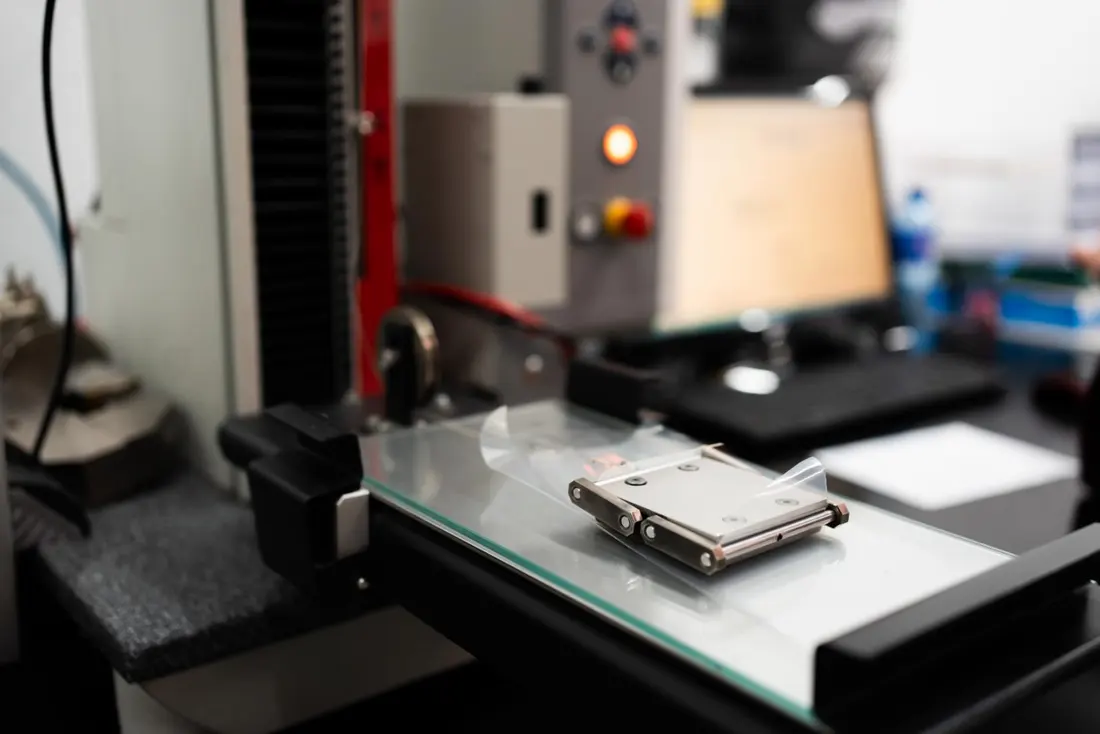
An unannounced audit to Issue 7 of the BRCGS Packaging Materials standard ended with the top AA+ grade. The certificate is valid until 4 December 2027.
On 2 July 2026 a DNV auditor inspected our plant in Andrychów without prior notice against the BRCGS Global Standard Packaging Materials, Issue 7. Result: AA+ — the highest grade in the standard, with the “+” meaning the audit was unannounced.
Certificate no. C868088 (BRCGS site code: 1457295) was issued by DNV Business Assurance Italy and is valid until 4 December 2027.
Scope of the certificate: flexographic printing, lamination, coating, slitting and converting of packaging materials made of PE, PET and PP films and paper — for direct food contact and for industry.
What does this mean for customers? You get packaging from a manufacturer with the top BRCGS grade, which makes your own audits and listings with retail chains easier, in Poland and abroad. An unannounced audit shows that we keep to the standard every day, not just on the day of a scheduled visit.
Download the BRCGS certificate (PDF) →
Quality, laboratory and certificates →
Request a quote →
October 2026
MarDruk is now FSC® Chain of Custody certified
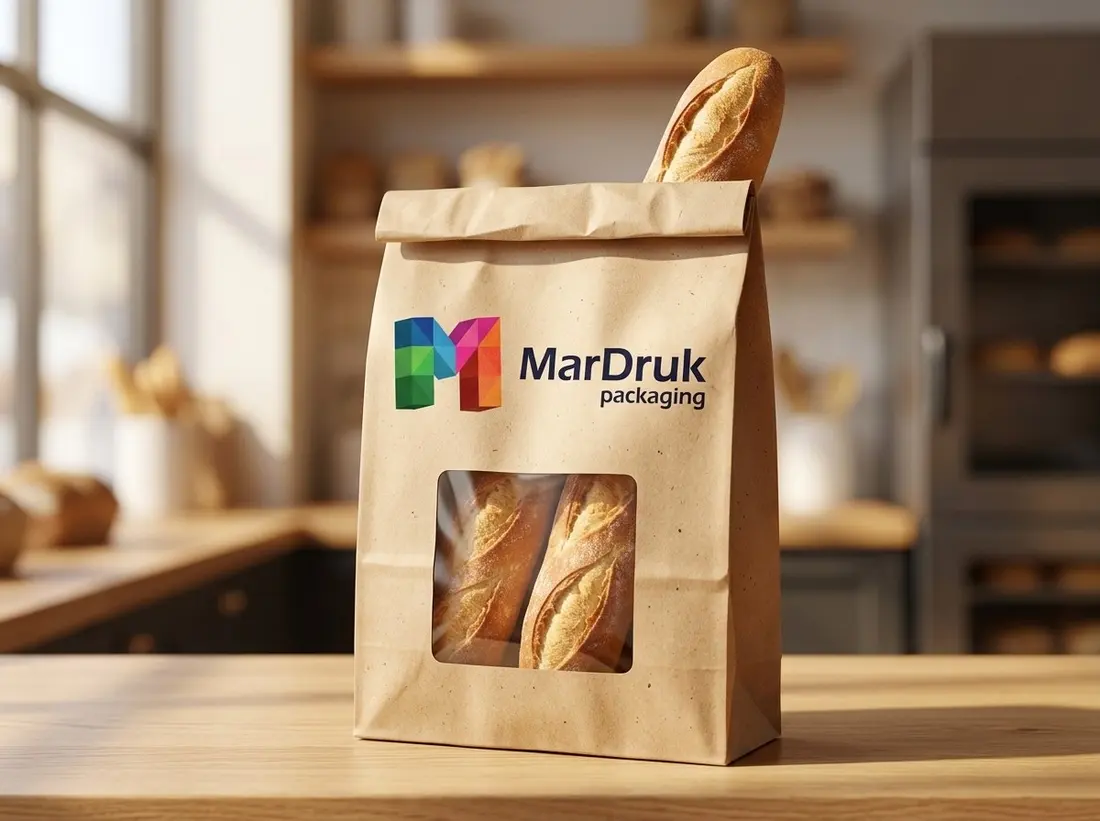
The certification body DNV has confirmed that MarDruk conforms to the FSC-STD-40-004 standard. We can now supply food wrapping paper, paper sacks and bags with an FSC claim.
On 6 October 2026, DNV Business Assurance granted MarDruk Opakowania FSC® Chain of Custody certificate no. DNV-COC-003364. The certificate confirms that our supply chain meets the requirements of the FSC-STD-40-004 standard and is valid until 5 October 2031.
Scope of the certificate: production, printing and converting of food wrapping paper, paper sacks and bags — in the FSC 100%, FSC Mix and FSC Recycled categories, using the transfer system.
What does this mean for customers? If your retail chain, tender or purchasing policy requires paper packaging from certified sources, we will supply it with an FSC claim. It also makes it easier to meet environmental criteria in tenders and projects where the origin of the raw material matters.
Download the FSC certificate (PDF) →
Printing on paper →
Ask about FSC paper packaging →
May 2026
PPWR — everything you need to know

Regulation (EU) 2025/40 changes the game for everyone placing packaging on the market. Eco-modulated fees, A/B/C recyclability classes and hard deadlines from 2026.
PPWR introduces fees that depend on how eco-friendly your packaging is: the easier it is to recycle, the lower the cost. From 2030 all packaging placed on the EU market will have to be recyclable — and individual requirements will apply on the dates set out in the regulation and its implementing acts, so it is worth starting preparations now.
In the article we explain who the new obligations apply to, what the timeline looks like (2026 → 2030 → 2038) and where to start reviewing your packaging portfolio.
Read the full article: PPWR — everything you need to know →
May 2026
Barrier testing — what OTR is and how we measure it
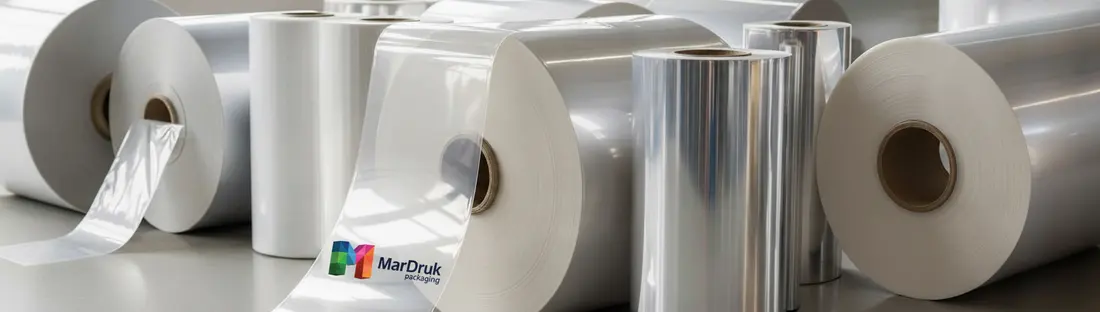
How do you prove that a simplified, recyclable pack really protects the product? With laboratory numbers, not declarations.
OTR (Oxygen Transmission Rate) tells you how much oxygen passes through a material in 24 hours. The lower it is, the longer the shelf life of coffee, snacks and fatty products. In our laboratory we measure OTR on MOCON equipment — so we compare structures with numbers and make technology decisions before serial production, not after a complaint.
This matters especially when moving to structures without aluminium and EVOH — the mono-material barrier packaging of our MarEco line.
Read the full article: Barrier testing — OTR →
May 2026
How is printed packaging made?

From the first conversation to a pallet in the warehouse — nine stages we go through together with the client.
Printed packaging is much more than film with a logo. It has to protect the product, run well on the packing machine and sell on the shelf. That is why every project goes through the same stages: consultation and material selection, artwork, plates from our in-house plate room and a certified proof, printing, lamination, slitting — all the way to quality control and on-time delivery.
Read the full article: How printed packaging is made →
May 2026
PET TWIST — the proven wrap for hard candies and caramels

Film twisted on both sides of the product: high transparency, a stable twist with no gluing or sealing, reliable performance on fast packing lines.
PET TWIST is one of the most common ways of packing confectionery — hard candies, caramels and dragées. The transparent film shows the product off on the shelf, and twist memory closes the wrap without extra operations. The key is matching the material to the specific packing machine: thickness, stiffness, dimensional stability and reel quality.
Read the full article: PET TWIST →
March 2026
Cosmetics packaging — aesthetics that have to perform

In the cosmetics industry the pack builds an impression of quality before anyone uses the product. But aesthetics alone are not enough — consistency and on-time delivery matter just as much.
Cosmetics packaging has to match the brand image and be polished in every detail — while staying consistent batch after batch. We keep print and lamination quality stable, offer ongoing colour verification, and our standard lead time is usually 2–3 weeks. More and more often we also discuss mono-material structures, ready for the market's new requirements.
Read the full article: Cosmetics packaging →
2026
MarEco — packaging designed for the PPWR direction
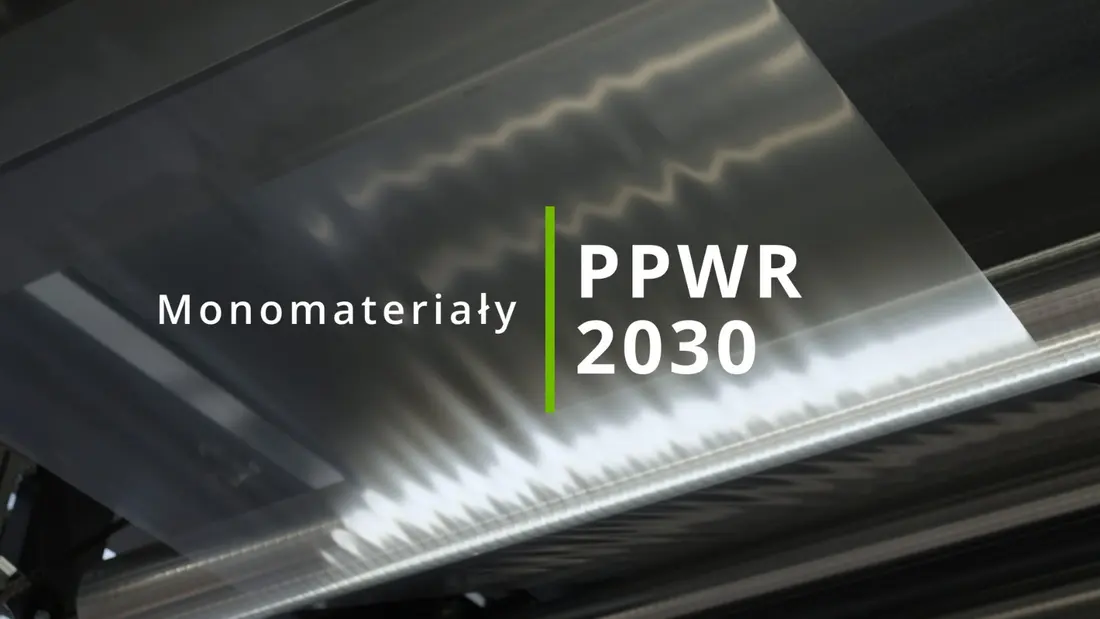
Recyclable mono-material constructions designed for the new requirements of the PPWR regulation.
The PPWR regulation (EU 2025/40) changes how packaging is designed — from 2030 everything placed on the market will have to be recyclable. Within the MarEco line we develop mono-material barrier structures that combine recyclability with real product protection.
If you are planning a switch to PPWR-compliant packaging, write to us — a technologist will match the structure to your product and the barrier level it needs.
Discover the MarEco line →
2024
We launched our own photopolymer plate room
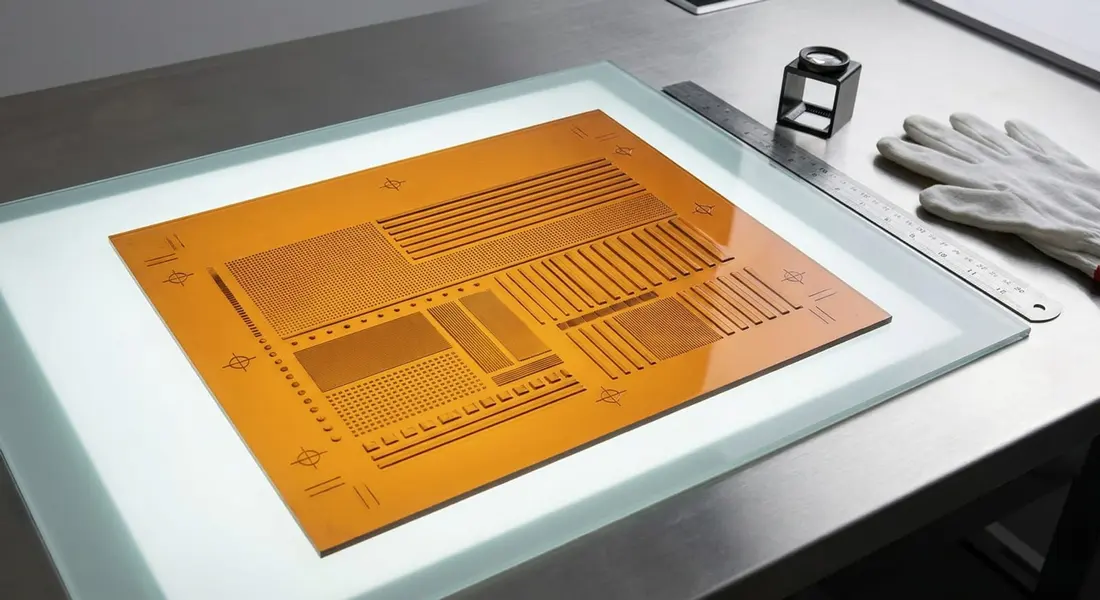
Plate-making now happens in-house — from exposure to finishing. Full independence from external suppliers and corrections on the spot.
Until recently we ordered photopolymer plates externally. Since 2024 we make them in our own plate room — which means shorter production set-up, corrections done on the spot and full control over print quality.
For clients this means above all a shorter lead time before a campaign or a reprint, and better consistency between batches. Screen rulings up to 200 lines per inch and a smallest stable printing dot of 10 microns let us reproduce subtle tonal transitions.
Sounds like your project?
Write or call — our technologist will advise on the structure and quote your volume within 24 hours.
Free quote
