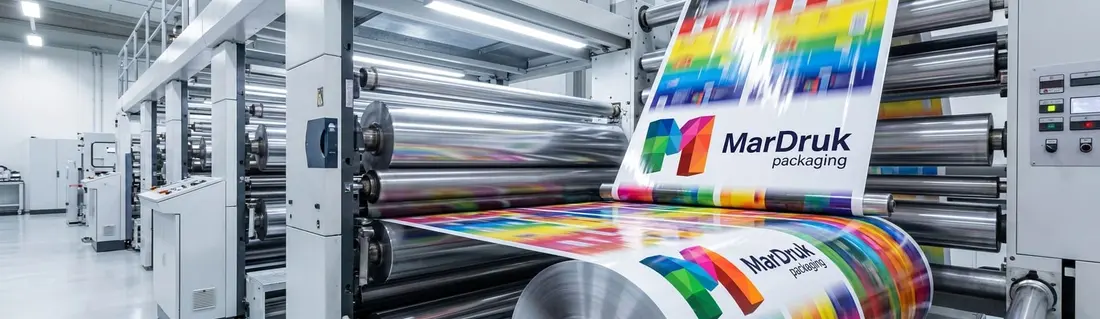
1. Consultation and needs
We need to understand what the packaging is for: the type and weight of the product, its fat and moisture content, the required shelf life, the packing machine, the transport conditions and the desired effect on the shelf.
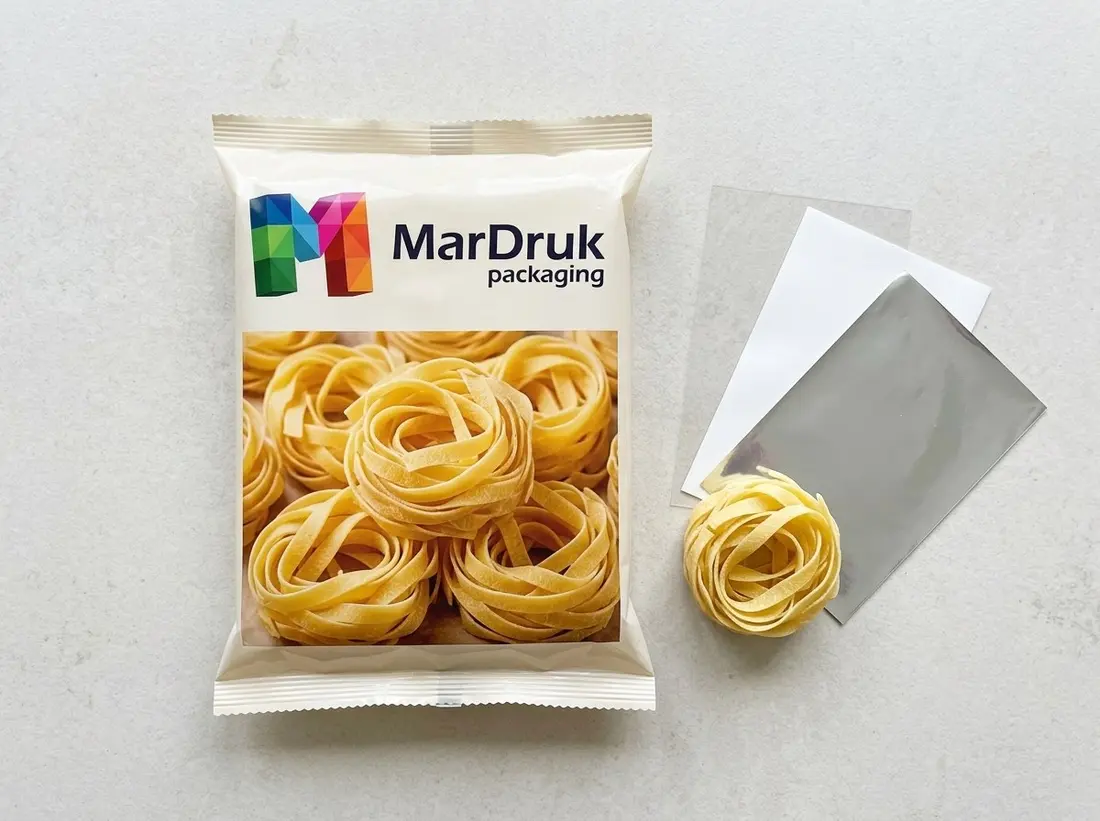
2. Material selection
The most important stage — the material decides whether the packaging will work. BOPP, CPP, PE, PET, metallised films, multi-layer laminates or MarEco mono-material solutions.
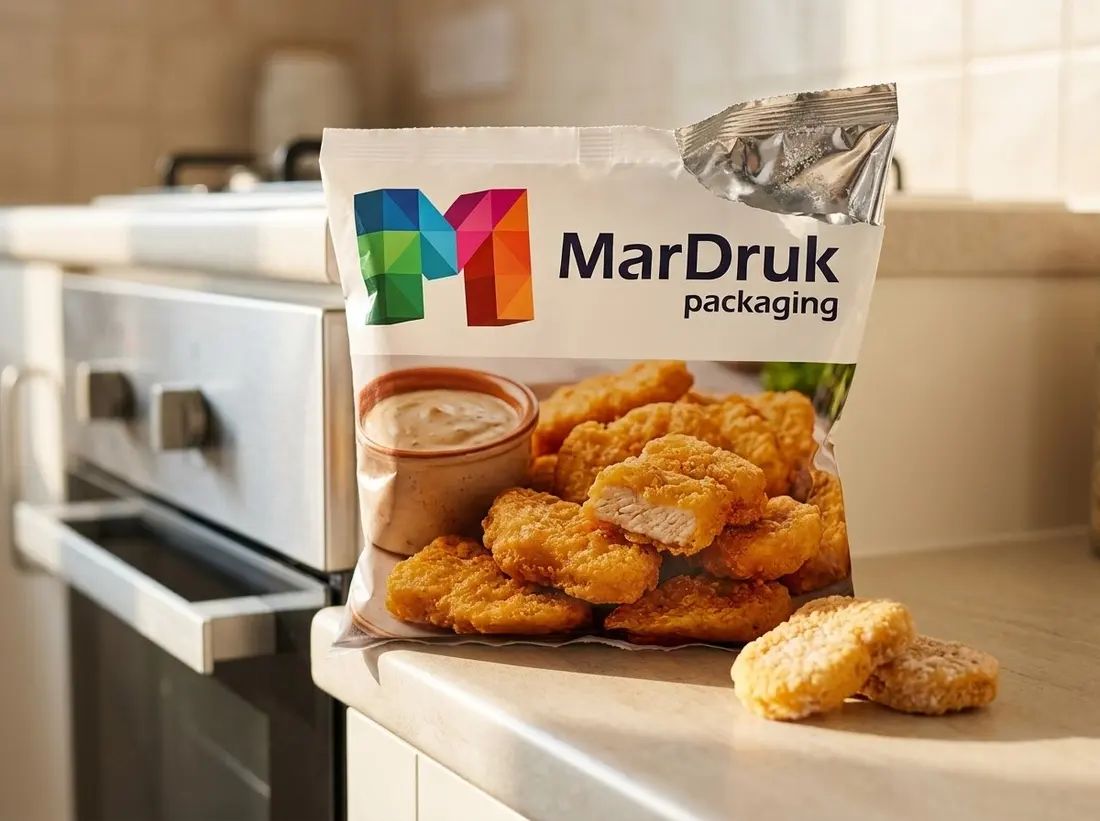
3. Artwork
Attractive and technically correct: bleeds, safety margins, the placement of texts, barcodes and markings. Our artwork team helps get your files print-ready.
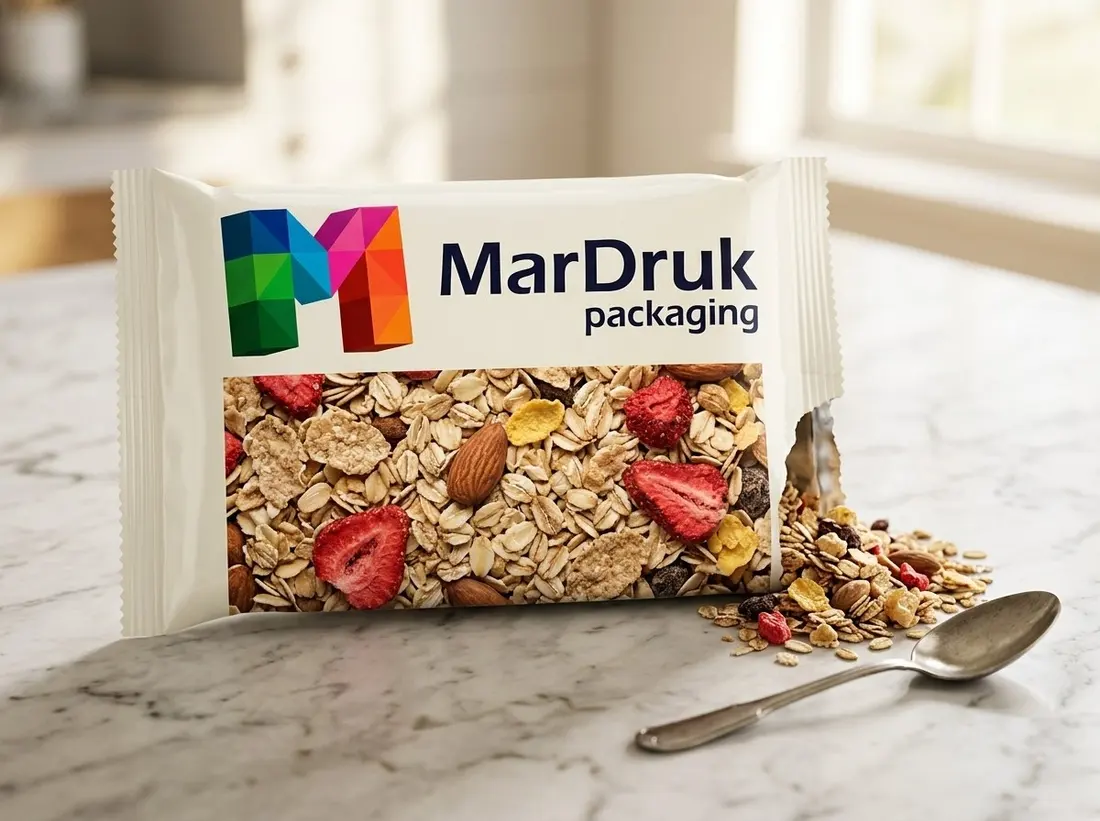
4. Plates and proof
We image our photopolymer plates in our own prepress department, and before printing you approve a certified proof — print quality depends on plate quality.
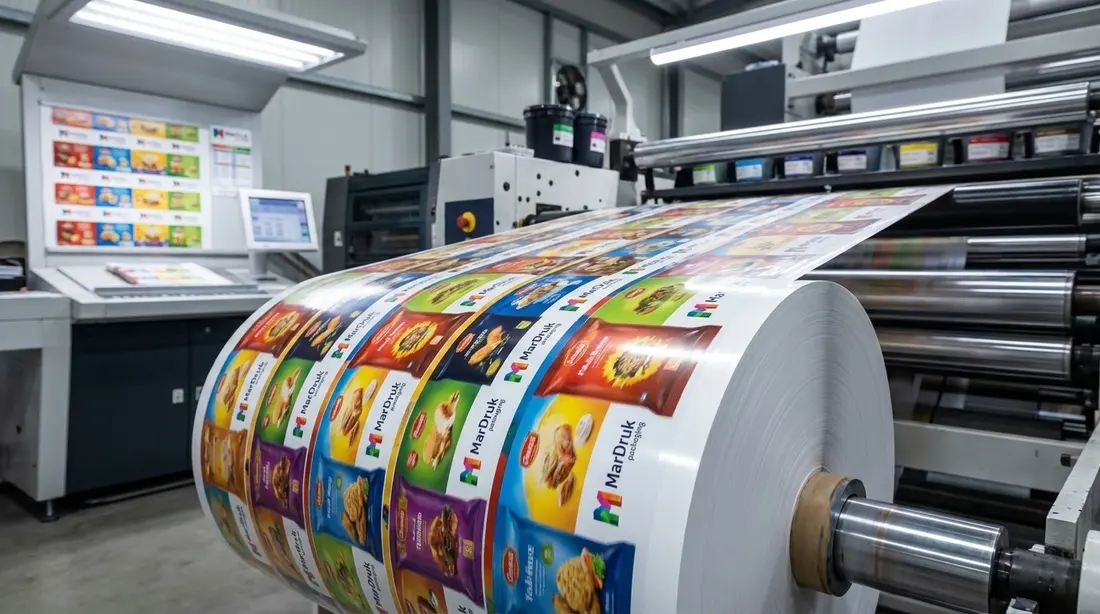
5.–7. Printing, lamination, slitting
Flexographic printing with colour and register control, lamination (where the structure calls for it) using solvent-free adhesives, and slitting to the widths specified.
8.–9. Inspection, warehouse, delivery
Quality control of print, colour, thickness and sealability — then packing, protecting the reels and delivery exactly on time. The finished goods can wait with us: a 13,000-pallet warehouse.
Worth reading
 Flexographic printingFilm (polypropylene, polyethylene, polyester, oriented polypropylene) carries colours and detail beautifully, …Read →
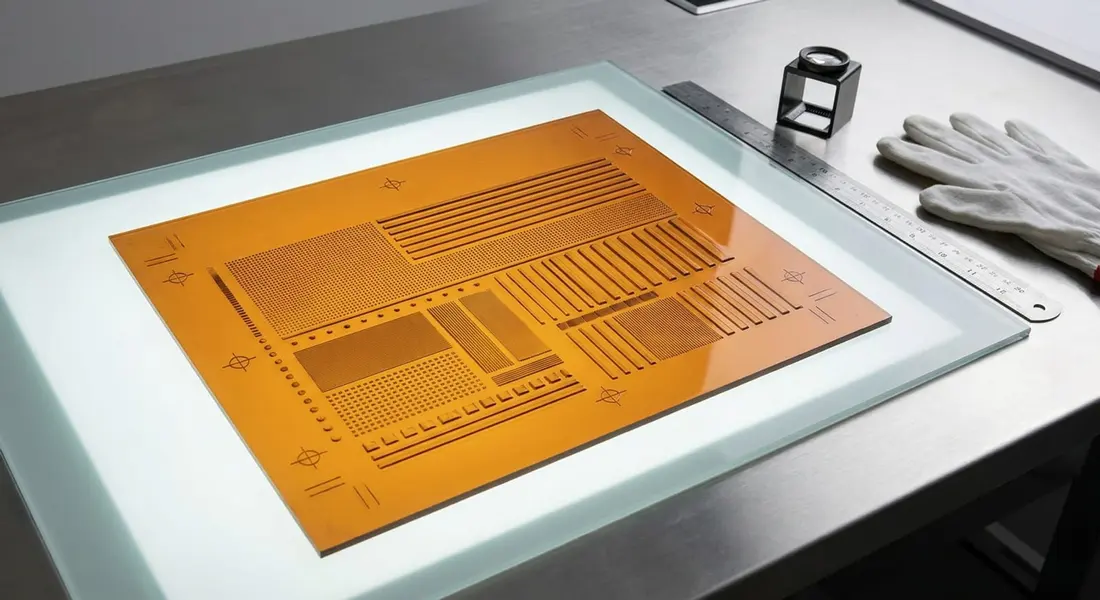 Photopolymer platesTime — instant corrections and reprints, a shorter lead time before a campaign or reorder. Consistency — the s…Read →
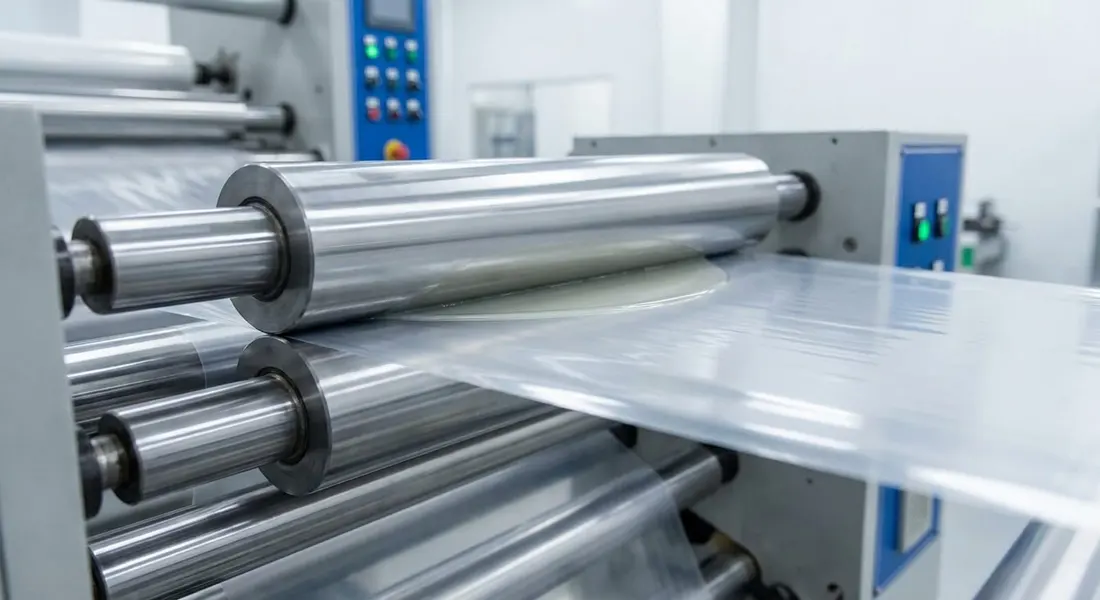 Film laminationIf your product needs: protection against oxygen and water vapour (fresh/chilled, coffee, aromas), strength an…Read →
Sounds like your project?
Write or call — our technologist will advise on the structure and quote your volume within 24 hours.
Free quote +48 731 819 963 office@mardrukopakowania.pl